

Introduction: After you buy a press, the real challenge begins
Buying a flexo printing press – an investment ranging from tens of thousands to millions of dollars – is only the first step. Signing the contract, paying the deposit, waiting for delivery, installation and commissioning … that’s just the start.
Once the machine is in your workshop, the real test begins:
-
What if your operators are not skilled enough and struggle with setup?
-
What if a breakdown occurs during production – how quickly will the supplier respond?
-
How long will you have to wait for spare parts?
-
What if after a few years the print accuracy degrades – who will recalibrate it?
No one talks about these problems when you’re buying the machine. But once it’s running, every one of them can become a real headache.
In this article, we explain everything you need to know about after-sales service for flexo presses – what a solid service package should include, which questions to ask before you buy, and what kind of service support Lisheng Machinery provides.
1. What does a complete after‑sales service package include?
Not all suppliers offer the same level of service. A truly reliable after‑sales service should at least cover the following areas:
1.1 Installation, commissioning & on‑site training
When the machine arrives, the supplier’s engineer should:
-
Unpack and inspect the machine and all accessories
-
Install and level the machine
-
Power up, commission and run test prints
-
Provide hands‑on training for operators
Training content should include: daily operation, common fault diagnosis, regular maintenance, and safety precautions.
1.2 Manuals and technical documentation
The supplier must provide complete technical documents:
-
Operation manual (in English or multiple languages)
-
Maintenance manual
-
Electrical schematics
-
Spare parts list with part numbers and specifications
1.3 Warranty service
-
Standard warranty period: typically 12 months
-
Coverage: free repair or replacement for non‑human‑induced failures
-
Key components (servo motors, control systems, etc.) – extended warranty can be negotiated
1.4 Service response mechanism
-
Phone / online support – defined response time during working hours
-
Remote diagnosis – video‑guided troubleshooting
-
On‑site service – engineer travel time depending on location
1.5 Spare parts supply
-
Spare parts warehouse – common wear parts in stock
-
Shipping lead time – fast dispatch for popular parts (e.g., within 48 hours)
-
For overseas customers – international courier available
1.6 Periodic follow‑up and value‑added services
-
Equipment performance tracking
-
Annual inspection or preventive maintenance (optional)
-
Consulting for upgrades and retrofits
2. Six after‑sales questions you must ask before buying
Many buyers focus only on price and performance, and sign the contract without reading the service clauses carefully. Then when something goes wrong, they find that nothing was clearly stated in the contract.
Here are six questions you must ask – and ideally have written into the contract:
Q1: How long is the warranty and what does it cover?
Why it matters: Different suppliers define “full machine warranty” differently. Some cover structural parts but not electrical parts; some cover parts but not labor.
Ask clearly:
-
Is the warranty 12 months or longer?
-
Are critical components (servo motors, control systems, bearings) included?
-
Who pays for labor and travel expenses during the warranty period?
Q2: What is the service response time?
Why it matters: One hour of machine downtime can cost you a whole day’s profit.
Ask clearly:
-
What is the maximum phone response time?
-
How quickly can they start remote diagnosis?
-
What is the maximum time for an engineer to arrive on‑site (separate for domestic, provincial, and international)?
Q3: How are spare parts supplied?
Why it matters: If a cheap bearing fails and you cannot get a replacement, the whole machine stops.
Ask clearly:
-
Does the supplier have a spare parts warehouse?
-
How fast can common spare parts be dispatched?
-
Do they provide a detailed spare parts list with specifications?
Q4: What kind of training is provided?
Why it matters: Even the best press is useless if your operators do not know how to run it.
Ask clearly:
-
How many days of on‑site training during installation and commissioning?
-
What does the training cover?
-
What skill level can operators reach after training?
-
Is there advanced training later?
Q5: How are post‑warranty services charged?
Why it matters: The machine will be used for 5, 8 or more years. Service costs after warranty are part of the total cost of ownership.
Ask clearly:
-
What is the charge for on‑site service after warranty (labor, travel)?
-
Are spare part prices transparent?
-
Is an annual maintenance contract available?
Q6: Are the after‑sales terms clearly written into the contract?
Why it matters: Verbal promises are worth nothing. Only written clauses count.
Ask clearly:
-
Are all the answers to the above questions included in the contract?
-
Are there explicit penalty clauses for non‑compliance?
3. Lisheng Machinery’s after‑sales service system
With nearly 20 years of experience in manufacturing flexo presses, Lisheng Machinery has built a comprehensive service network covering both domestic and overseas customers.
Installation, commissioning & training
-
Engineer on‑site for installation and commissioning.
-
Practical training for operators to ensure they can run the machine independently.
-
Provide operation manuals, maintenance manuals and electrical drawings (English/Chinese).
Warranty service
-
Standard 12‑month warranty.
-
Free repair for non‑human‑induced faults during warranty.
-
Extended warranty negotiable for key components.
Service response
-
Phone response: within 24 hours.
-
Remote diagnosis: video guidance within 48 hours.
-
On‑site service: engineer arrival time agreed according to customer location.
Spare parts supply
-
Spare parts warehouse with common wear parts in stock.
-
Fast dispatch for domestic customers.
-
International courier for overseas customers.
Ongoing support
-
Lifetime technical support.
-
Regular technical training (online + offline).
-
Consulting for upgrades and retrofits.
Special support for overseas customers
-
Multi‑language operation manuals (English, etc.).
-
Remote video guidance.
-
Online fault diagnosis system.
-
Authorized agents or technical service centers in certain regions.
-
Assistance with invitation letters and airport pickup.
4. How to tell if a supplier is truly reliable?
When you visit a potential supplier, you can evaluate the real level of after‑sales service from these angles:
1. Check if they have their own service team
Small manufacturers sometimes have no dedicated after‑sales engineers. When problems occur, they hire temporary people – unprofessional and slow.
What to do: Ask how many people are in their service team. Are they full‑time?
2. Check if they have a spare parts warehouse
Spare parts availability is the foundation of after‑sales service. Without a warehouse, a simple part may take weeks.
What to do: During the factory visit, ask to see the spare parts warehouse.
3. Ask existing customers
Current users know best about a supplier’s after‑sales performance.
What to do: Ask the supplier for 2‑3 customer references and call them to ask about their service experience.
4. Read the service clauses in the contract
Verbal promises mean nothing. Only what is written in the contract counts.
What to do: Carefully read the after‑sales service clauses and look for ambiguous wording.
5. Customer testimonials – Lisheng after‑sales service
Case 1 – Guangdong, China (flexible packaging factory)
“One night shift, our press broke down. I called the service hotline at 2 AM. The engineer guided us by video call and we fixed it in half an hour. That’s when you realize how important it is to choose the right supplier.”
Case 2 – Zhejiang, China (non‑woven bag factory)
“When Lisheng’s engineer came for installation, he also trained our operators. Now they can handle minor faults themselves without always calling the supplier.”
Case 3 – Overseas customer (Southeast Asia)
“Lisheng provided detailed English manuals and video tutorials. Remote commissioning went smoothly. When I email questions, I usually get a reply the same day.”
6. FAQ
Q1: What is the warranty period of Lisheng Machinery?
A1: Standard warranty is 12 months from the date of acceptance. During this period, Lisheng will repair or replace parts for non‑human‑induced failures free of charge. Extended warranty for key components (servo motors, control systems, etc.) is negotiable.
Q2: How fast can you send an engineer if my machine fails?
A2: Lisheng has a tiered response system: phone response within 24 hours; remote video diagnosis within 48 hours; on‑site engineer arrival time to be agreed based on customer location. For overseas customers, we use remote guidance and local agents; in urgent cases, we can dispatch an engineer abroad.
Q3: Is it easy to get spare parts? How long do I have to wait?
A3: Lisheng maintains a spare parts warehouse with common wear parts in stock. For domestic customers, popular parts are dispatched quickly. For overseas customers, we can arrange international courier, and we provide a detailed spare parts list with specifications so you can also source standard components locally.
Q4: Do you provide operator training?
A4: Yes. During installation and commissioning, Lisheng engineers provide on‑site training covering machine operation, daily maintenance, and common fault diagnosis, ensuring operators can work independently. Advanced training is available upon request.
Q5: How do overseas customers get technical support?
A5: We provide multiple channels: multi‑language operation manuals and video tutorials; remote video guidance and online fault diagnosis; authorized agents or service centers in certain regions; if necessary, we can dispatch engineers overseas. With export experience to more than 90 countries, we are well‑practiced in serving international customers.
Q6: Can you still service my press after the warranty expires?
A6: Yes. Lisheng provides lifetime technical support. After warranty, customers can choose pay‑per‑visit service or sign an annual maintenance contract. Please contact our after‑sales team for more details.
Conclusion: Buying a flexo press means choosing a long‑term partner
Buying a flexo printing press is not just buying hardware – it is choosing a long‑term partner.
Machines age, faults happen, operators change – all of which are normal. But having a reliable supplier behind you makes all the difference.
With nearly 20 years of manufacturing experience and exports to over 90 countries, Lisheng Machinery believes that good service starts from the very first contact, not after something goes wrong.
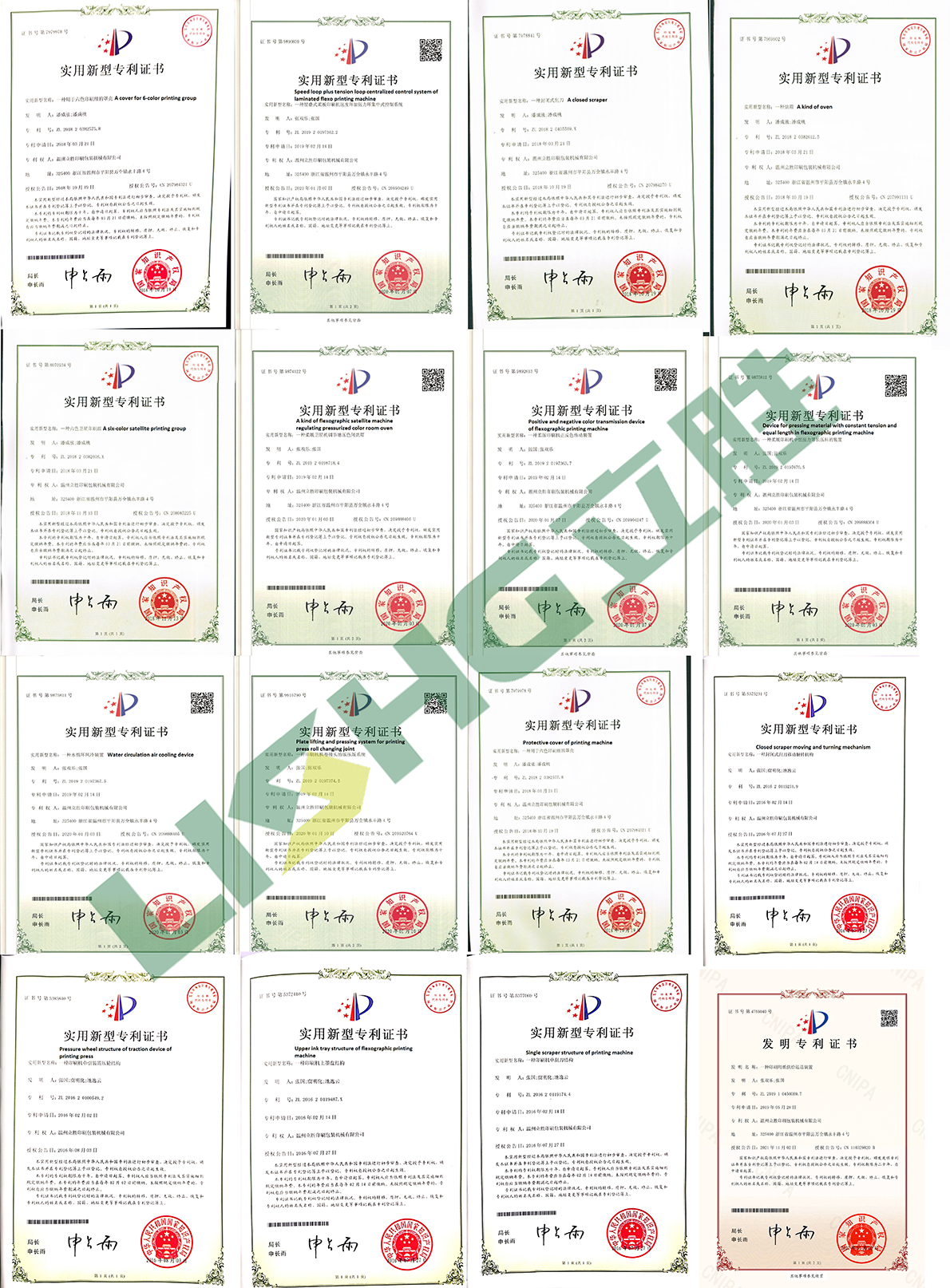
About Lisheng Machinery:
Wenzhou Lisheng Printing & Packaging Machinery Co., Ltd. is located in Ruian, Wenzhou, Zhejiang Province, China. We specialize in stacked‑type, central‑impression (CI), and full‑servo flexo printing presses, with nearly 20 years of manufacturing experience. Our products are sold to more than 90 countries and regions worldwide.