

With the rapid development of the printing and packaging industry, flexographic printing technology has become the preferred process for flexible packaging, labels, carton pre-printing, and other fields due to its high efficiency, environmental friendliness, and strong material adaptability. However, many enterprises often get confused when selecting equipment among flexographic printing presses with three mainstream structures: satellite, full servo, and stacked.
This article deeply analyzes the structural principles, pros and cons, applicable scenarios, and return on investment of the three models to help you make a wise purchasing decision.
1. Basic Understanding of the Three Structures
The core of a flexographic printing press lies in the arrangement of printing units. According to different arrangements, flexographic printing presses can be divided into three basic types: stacked, satellite, and central impression (CI). On the basis of these three types, full servo technology, as a major upgrade of the driving mode, is reshaping the standard of high-end flexographic equipment.
Stacked Flexographic Printing Press
Also known as the stacked-type flexographic press, it features independent printing units stacked vertically, arranged at one or both ends of the main frame of the press. Each printing unit is driven by gears mounted on the main frame.
Advantages: Simple and compact structure, small footprint, relatively low cost, easy to realize double-sided printing, suitable for small and medium-sized enterprises as an entry-level choice or for purchases with limited budgets.
Disadvantages: Complex transmission structure with many gear gaps, relatively low overprint accuracy (about ±0.3mm), maximum stable printing speed generally around 100 meters per minute, difficult to meet high-speed and large-volume orders; low job change efficiency.
Applicable scenarios: Basic packaging printing with relatively loose requirements for overprint accuracy and speed, such as supermarket handbags, vest bags, PE/PP plastic bags, and non-woven bags.
Applicable materials: Plastic films such as PE, PP, OPP, BOPP, PVC, as well as paper, non-woven fabrics, woven bags, etc.
Satellite Flexographic Printing Press
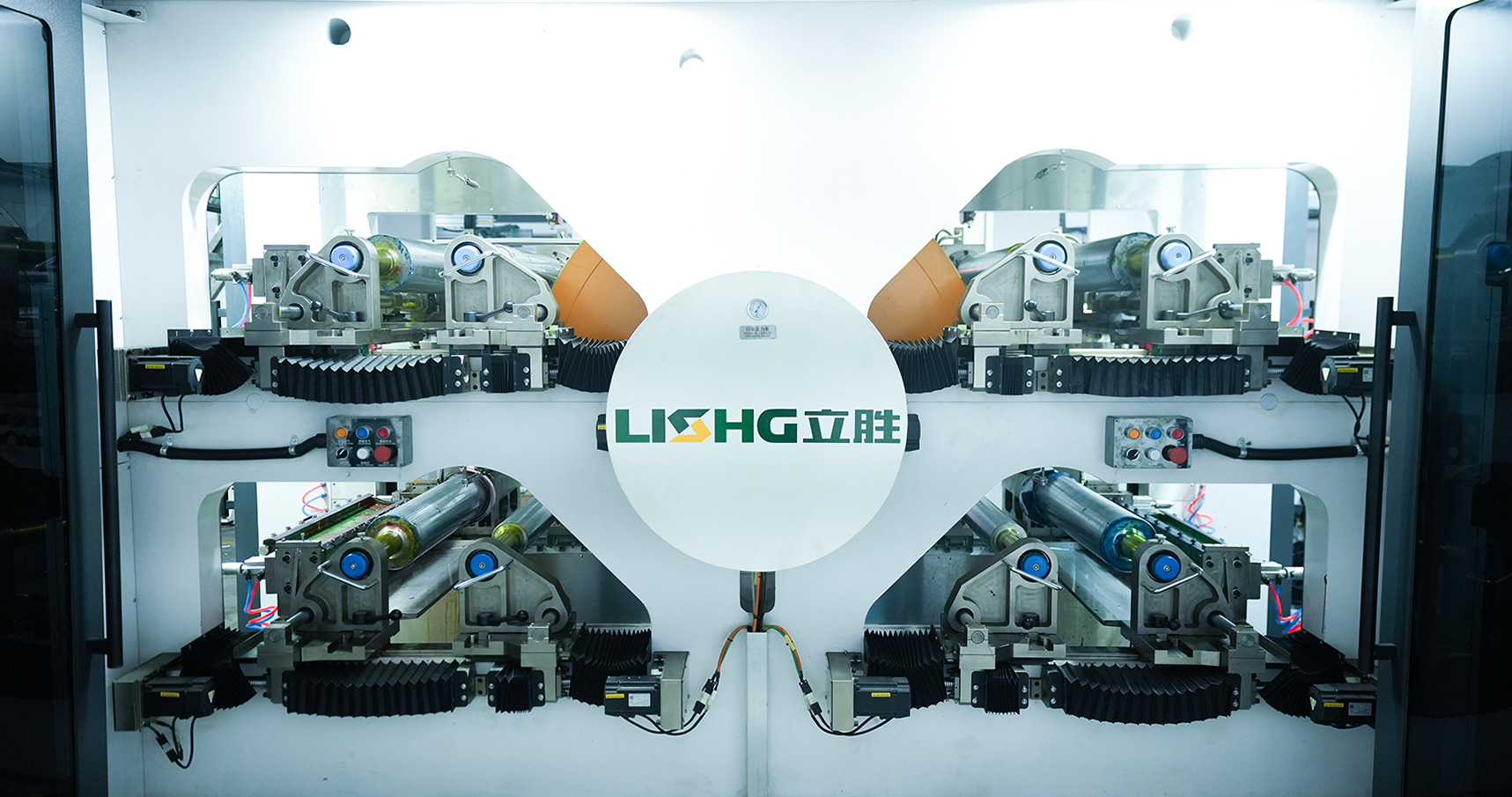
A satellite flexographic printing press arranges all printing units around a large-diameter central impression cylinder (CI cylinder). The substrate clings to the cylinder surface and completes multi-color printing sequentially in one circle. Since the material is always wrapped around the impression cylinder, the tension is extremely stable and minimally affected by thermal deformation.
Advantages: High overprint accuracy (up to ±0.1mm), stable tension control, especially suitable for easily stretchable film materials; short distance between impression points, convenient for registration adjustment; relatively simple structure, printing speed up to 300 meters per minute.
Disadvantages: Difficult manufacturing and high cost of the central impression cylinder; fixed number of color stations with inflexible adjustment; large one-time equipment investment.
Applicable scenarios: Film-based packaging with strict requirements for overprint accuracy and printing quality, such as food flexible packaging, medical films, and high-grade shrink films.
Applicable materials: Easily deformable film materials such as PE, PP, OPP, BOPP, PVC, as well as non-woven fabrics, paper, etc.
Full Servo Flexographic Printing Press
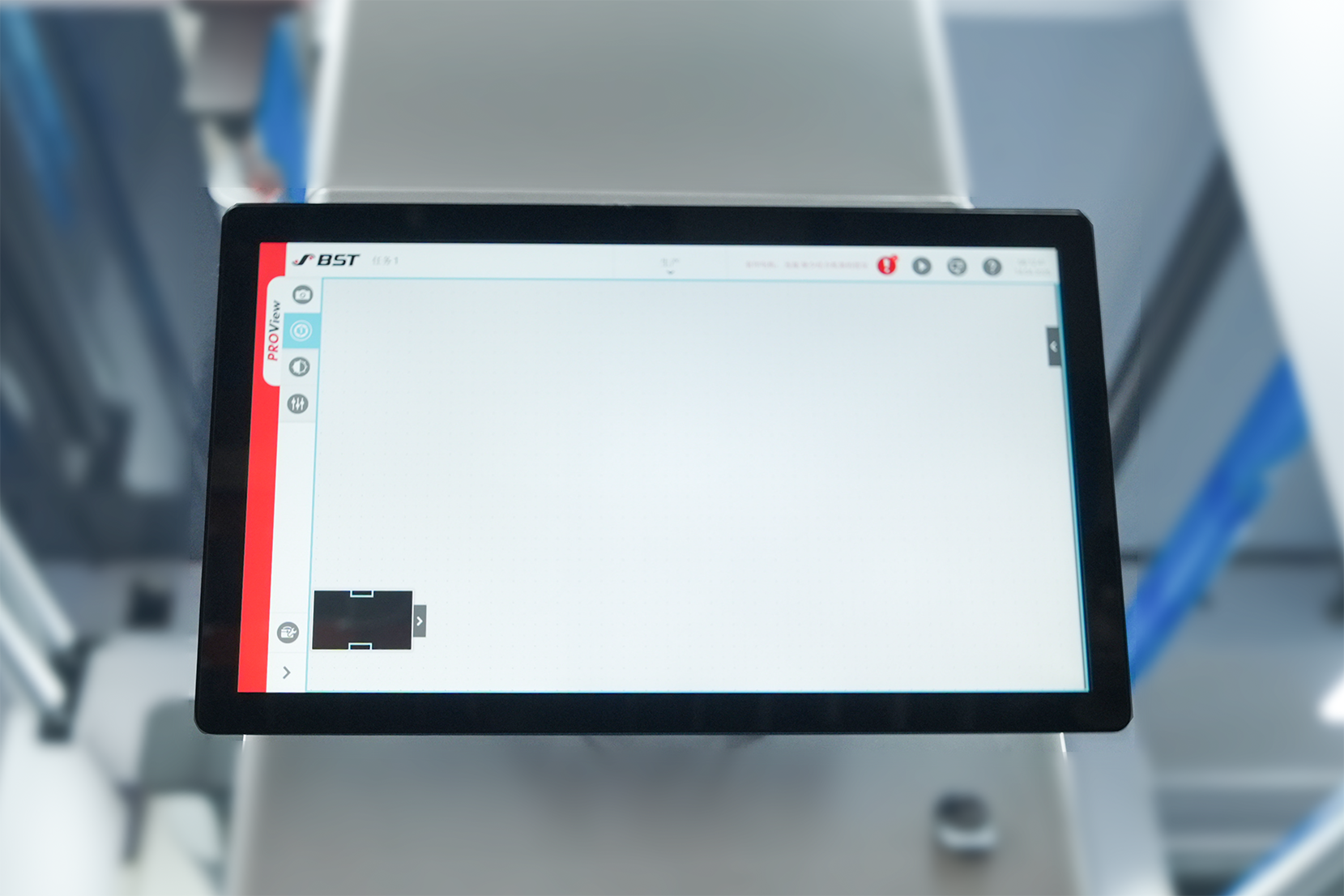
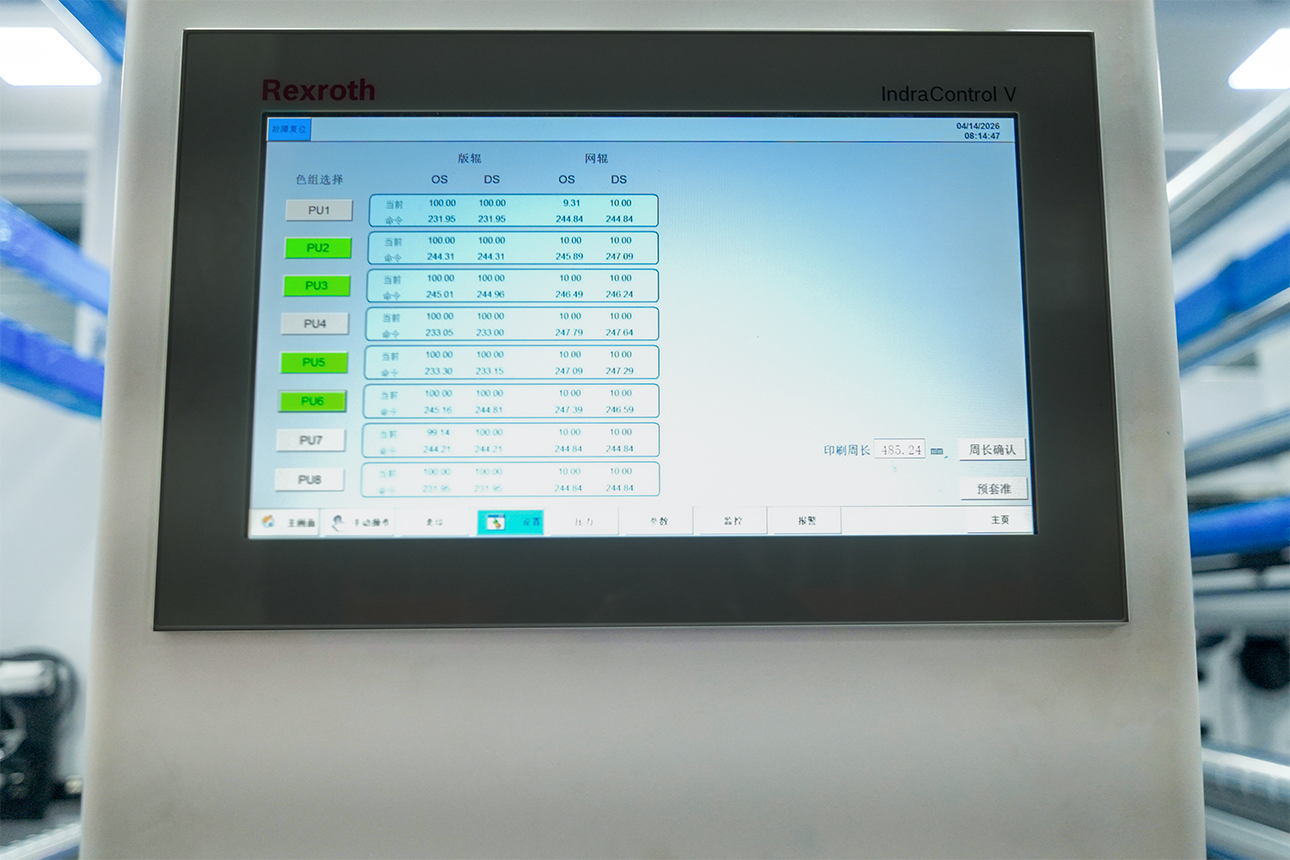
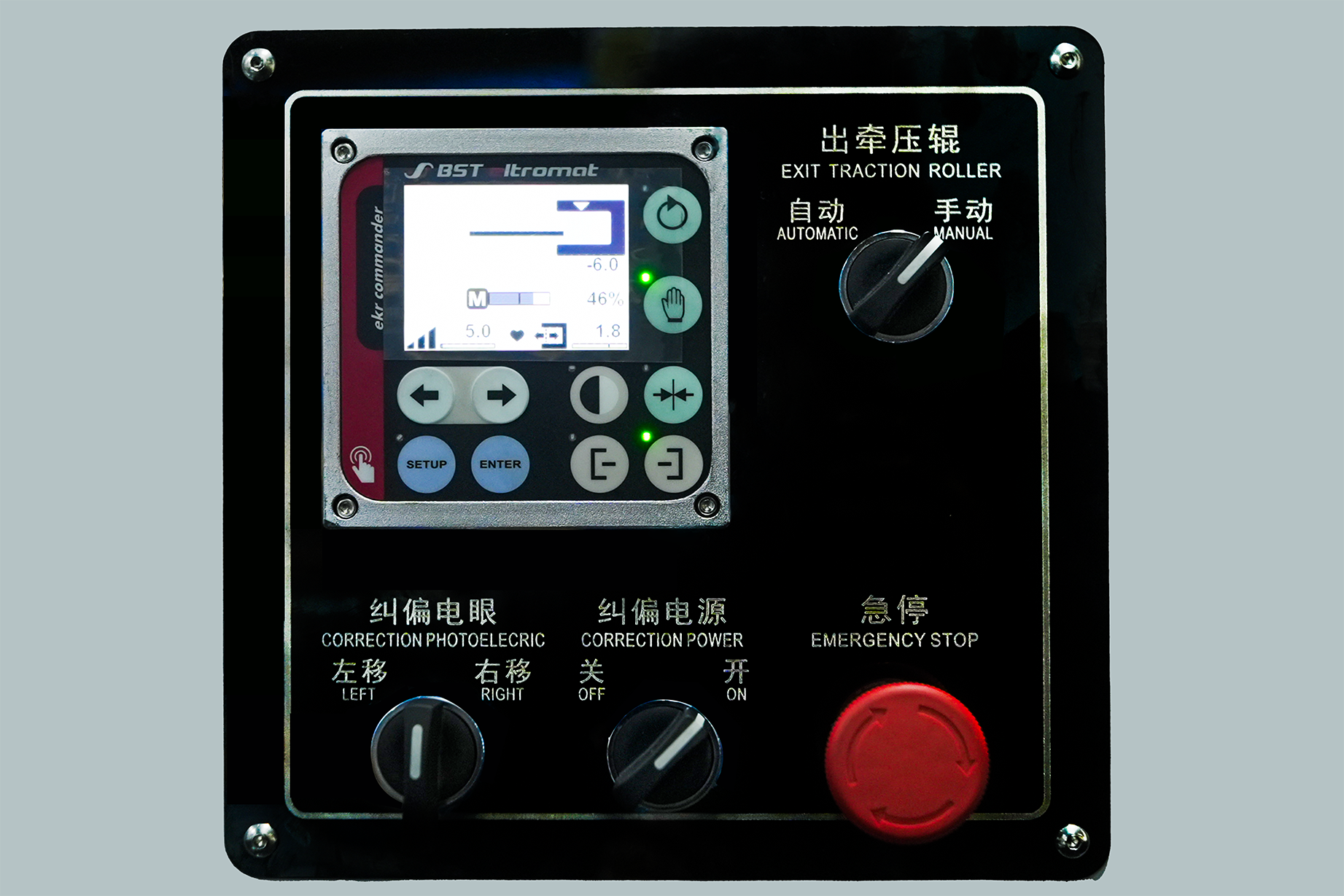
The full servo flexographic printing press is not an independent structural type but a technological upgrade of the driving mode – each printing unit is driven by an independent servo motor, replacing the traditional mechanical gear transmission. Each printing unit is directly controlled by a servo motor, achieving precise "gearless transmission" control.
Advantages: Overprint accuracy up to ±0.1mm or higher, far exceeding traditional models; maximum printing speed up to 500 meters per minute; job change time shortened from hours to within 15 minutes; energy consumption reduced by 20%~30% compared with traditional equipment; high intelligence, supporting one-key pre-registration and parameter storage; minimal mechanical wear, longer service life.
Disadvantages: Equipment procurement cost is 20%~40% higher than that of traditional models of the same specification; high technical content, high professional quality requirements for operators, requiring certain training investment.
Applicable scenarios: Scenarios with strict requirements for overprint accuracy and production efficiency, such as high-end cosmetic labels, pharmaceutical packaging, electronic films, and multi-variety production requiring frequent order switching.
2. Horizontal Comparison of Three Core Dimensions
To help you understand the differences between the three models more intuitively, a horizontal comparison is made from core dimensions below:
| Comparison Dimensions | Stacked | Satellite | Full Servo |
|---|---|---|---|
| Overprint Accuracy | Approx. ±0.5mm | Approx. ±0.1mm | Up to ±0.08mm |
| Maximum Printing Speed | Approx. 100m/min | Approx. 300m/min | Up to 500m/min |
| Investment Cost | Low | Medium to High | Highest |
| Job Change Efficiency | Low | Medium | Extremely High (within 15 minutes) |
| Material Adaptability | Wide | Relatively Wide (mainly for films) | Extremely Wide |
| Intelligence Level | Low | Medium | Extremely High |
| Energy Consumption Level | High | Medium | 20%-30% lower than traditional types |
| Operation Difficulty | Simple | Medium | High (requires training) |
| Maintenance Cost | Medium | Medium | Low |
Note: The above are the maximum stable printing speeds under conventional working conditions. In actual production, the speed is affected by ink type, material characteristics, drying efficiency, operating proficiency, and other factors.
3. Selection Guide: Precise Matching for Four Scenarios
Scenario 1: Mass Production of Film Flexible Packaging → Prioritize Satellite Type
If your main products are flexible packaging such as food bags, medical films, and shrink films with large batch sizes and high overprint accuracy requirements, the satellite flexographic printing press is the best choice.
The satellite structure tightly wraps the material around the central impression cylinder with extremely stable tension, ensuring the accuracy of multi-color overprinting, especially suitable for easily stretchable film materials. Equipped with a servo drive system, the overprint accuracy can be stabilized within ±0.1mm, and the printing speed can reach 300 meters per minute.
Recommendation: Satellite flexographic printing press (4-8 colors optional) + variable frequency adjustable hot air drying system + water-based ink solution.
Scenario 2: Multi-Variety, Short Delivery Time, Frequent Job Changes → Must Choose Full Servo
If you undertake a large number of personalized orders and need to change jobs multiple times a day, the job change downtime of traditional equipment will seriously affect production capacity and profits. The full servo flexographic printing press can shorten the job change time from hours to within 3 minutes through intelligent parameter storage and one-key call, greatly improving the effective production time of the equipment.
At the same time, the energy consumption of full servo equipment is 20%~30% lower than that of traditional equipment, the overprint accuracy is stabilized within ±0.08mm, and the scrap rate is greatly reduced. The maximum printing speed of 500 meters per minute is also far higher than other models. Although the initial investment is high, the price difference can be recovered through time and material savings within 1-2 years in frequent job change scenarios.
Recommendation: Full servo flexographic printing press + industrial IoT module + remote diagnosis system.
Scenario 3: Limited Budget, Diverse Product Types, Entry-Level Choice → Stacked Type is a Practical Option
For newly established small and medium-sized printing plants, or scenarios where products are mainly supermarket vest bags, non-woven bags, etc., with loose requirements for speed and accuracy, the stacked flexographic printing press provides the most cost-effective solution.
This equipment is affordable and easy to operate. Although its stable printing speed is about 100 meters per minute, it is sufficient to meet the production needs of basic packaging for newly started businesses. It has a wide range of material adaptability, covering films, paper, non-woven fabrics, and other materials, leaving room for future business expansion.
Recommendation: Stacked flexographic printing press (4-6 colors selected according to product needs) + basic tension control system.
Scenario 4: Pursuing Intelligent Transformation and Facing the Future → Full Servo is a Must-Choice
In the era of Industry 4.0, the competitiveness of printing enterprises increasingly relies on data-driven and intelligent control. The full servo flexographic printing press has a built-in industrial IoT module, which can collect production data such as printing speed, overprint accuracy, scrap rate, and equipment temperature in real time, and conduct analysis and visual presentation through a cloud platform. Operators can monitor the entire production process through a touch screen, and the system can automatically optimize printing parameters based on historical data to realize "human-machine collaboration" intelligent production.
Recommendation: Full servo satellite flexographic printing press + industrial IoT platform + intelligent registration system.
4. Selection Pitfall Avoidance Guide: 5 Key Questions to Ask Clearly
-
Is the overprint accuracy a "theoretical value" or an "actual measured value"?Many manufacturers mark the theoretical limit value of overprint accuracy instead of the actual stable operation value. When purchasing, you should ask to see actual printing samples and learn about the stable overprint accuracy at normal production speed.
-
Can the maximum printing speed be maintained stably?Maximum mechanical speed and stable printing speed are two different concepts. When purchasing, you should inquire about the stable operation speed under actual production conditions (considering job changes, debugging, material switching, etc.).
-
How long does the job change take?Job change time is a key indicator affecting the effective production time of equipment. Job changes for traditional equipment may take several hours, while full servo equipment can compress the job change time to within 3 minutes through one-key pre-registration and parameter storage functions. You should ask the manufacturer to demonstrate the job change process on site when purchasing.
-
What is the adaptability and flexibility of material switching?If your products cover a variety of materials (such as films, paper, non-woven fabrics), you should pay attention to the equipment's ability to switch between different materials. The satellite structure performs excellently in film printing, the stacked type has wider material adaptability, and full servo equipment can quickly adapt to different materials through parameter adjustment.
-
How about after-sales service and spare parts supply?Printing equipment is a long-term investment, and the response speed of after-sales service and the timeliness of spare parts supply directly affect production continuity. When purchasing, you should understand the manufacturer's service network coverage, spare parts warehouse stock, and remote diagnosis capabilities.
5. FAQ: Frequently Asked Questions About Flexographic Printing Press Selection
Q1: What is the main difference between a satellite flexographic printing press and a stacked flexographic printing press?
A1: The core difference lies in structural design and overprint accuracy. The satellite type arranges all printing units around a central impression cylinder, and the material is wrapped around the cylinder to complete multi-color printing with extremely stable tension. The overprint accuracy can reach within ±0.1mm, and the printing speed can reach 300 meters per minute, especially suitable for easily stretchable film materials. The stacked type adopts a vertical structure with stacked units, featuring simple structure, low price, and small footprint, but the overprint accuracy is about ±0.3mm, the maximum speed is about 100 meters per minute, suitable for daily packaging printing with less strict requirements for accuracy and speed.
Q2: How much more expensive is a full servo flexographic printing press than a traditional mechanical drive flexographic press? Is it worth investing in?
A2: The initial procurement cost of a full servo flexographic printing press is usually 20%~40% higher than that of a traditional mechanical drive equipment of the same specification. However, in terms of long-term operation, the return on investment is very significant: the maximum printing speed of a full servo equipment can reach 500 meters per minute, an increase of more than 50% compared with traditional equipment; job change time is shortened from hours to within 3 minutes; energy consumption is reduced by 20%~30% compared with traditional equipment. For customers with frequent order switching and pursuing automated intelligent production, the full servo model can usually recover the price difference through labor, material, and energy savings within 1-2 years.
Q3: What printing materials are suitable for the three models respectively?
A3:
- Stacked type: Plastic films such as PE, PP, OPP, BOPP, as well as paper, non-woven fabrics, woven bags, etc. It has the widest material adaptability but inferior performance to the satellite type in high-precision film printing.
- Satellite type: Easily stretchable film materials such as PET, BOPP, PVC, an ideal choice for flexible packaging. It can also be used for printing non-woven fabrics, paper, and other materials.
- Full servo type: The widest material adaptability, capable of precise printing from films to cardboards through parameter adjustment, suitable for flexible production scenarios requiring frequent material switching.
Q4: I have a wide variety of products, small batches, and frequent job changes. Which model is the most suitable?
A4: The full servo flexographic printing press is the best choice. Through intelligent parameter storage and one-key call function, the job change time can be shortened from hours to within 3 minutes, and the maximum printing speed of 500 meters per minute is far higher than other models, especially suitable for flexible production with short delivery times and personalization.
Q5: What are the maximum printing speed and common formats of a stacked flexographic printing press?
A5: The common maximum stable printing speed of a stacked flexographic printing press is about 100 meters per minute, and the format is generally between 600mm and 1200mm, which can be customized according to customer needs. Taking a 4-color stacked model as an example, the repeat printing length ranges from 700-1200mm or 900-1200mm, and the unwinding/rewinding diameter can reach Φ1200mm. Specific parameters can be configured according to product type and capacity requirements.
Q6: Is the maximum speed of 500 meters per minute of a full servo flexographic printing press a theoretical value or an actual value?
A6: 500 meters per minute is the maximum stable printing speed achievable under standard working conditions (using specific materials, inks, and drying configurations). The actual production speed is affected by substrate characteristics, ink drying efficiency, workshop environment, and other factors. It is recommended to ask the manufacturer to conduct actual proofing tests according to your typical products before purchasing to confirm the achievable speed and quality level.
Q7: Besides model selection, what parameters should be paid attention to when purchasing a flexographic printing press?
A7: In addition to determining the model, the following core parameters should be paid attention to when purchasing: printing format (whether it matches your product width), repeat printing length range (determines the size of patterns that can be printed), overprint accuracy (directly affects printing quality), printing speed (affects production capacity), drying system (key for water-based ink printing), tension control method (affects material stability). It is recommended to ask the manufacturer to provide a parameter test report under actual production conditions.
Q8: What after-sales services do manufacturers generally provide after equipment procurement?
A8: After procurement, you should pay attention to the manufacturer's following service capabilities: whether free on-site training is provided during installation and debugging; whether a spare parts warehouse is established to ensure timely supply of spare parts; whether remote video guidance and online fault diagnosis systems are provided; technical support policies after the warranty period (usually 12 months); whether regular technical training and equipment upgrade consultation are provided. It is recommended to clarify various service terms in the procurement contract.
Conclusion
Choosing a flexographic printing press is essentially choosing a production tool that matches your business model. There is no absolute "best machine", only the "most suitable machine" for you.
Decision Framework Summary
- For mass production of film flexible packaging → Satellite type (speed 300m/min, accuracy ±0.1mm)
- For multi-variety, short delivery time, frequent job changes → Full servo (speed 500m/min, job change in 3 minutes)
- For limited budget, diverse product types, newly started businesses → Stacked type (speed 100m/min, cost-effective)
- For pursuing intelligent transformation and facing the future → Full servo